Saturday, 15 February 2025

Restoring Mountain Ecosystems in Malawi


Malawi’s mountain ecosystems are facing severe threats from human activities such as deforestation, unregulated grazing, and farming on mountain slopes. These practices are accelerating environmental degradation, reducing biodiversity, and threatening the livelihoods of surrounding communities.

Key Issues

1. Farming on Mountain Slopes

Many farmers cultivate crops on steep mountain slopes due to land shortages. Without proper soil conservation methods, soil erosion is enhanced, land fertility is reduced, and sedimentation in rivers is increased, which affects water sources downstream.


2. Deforestation

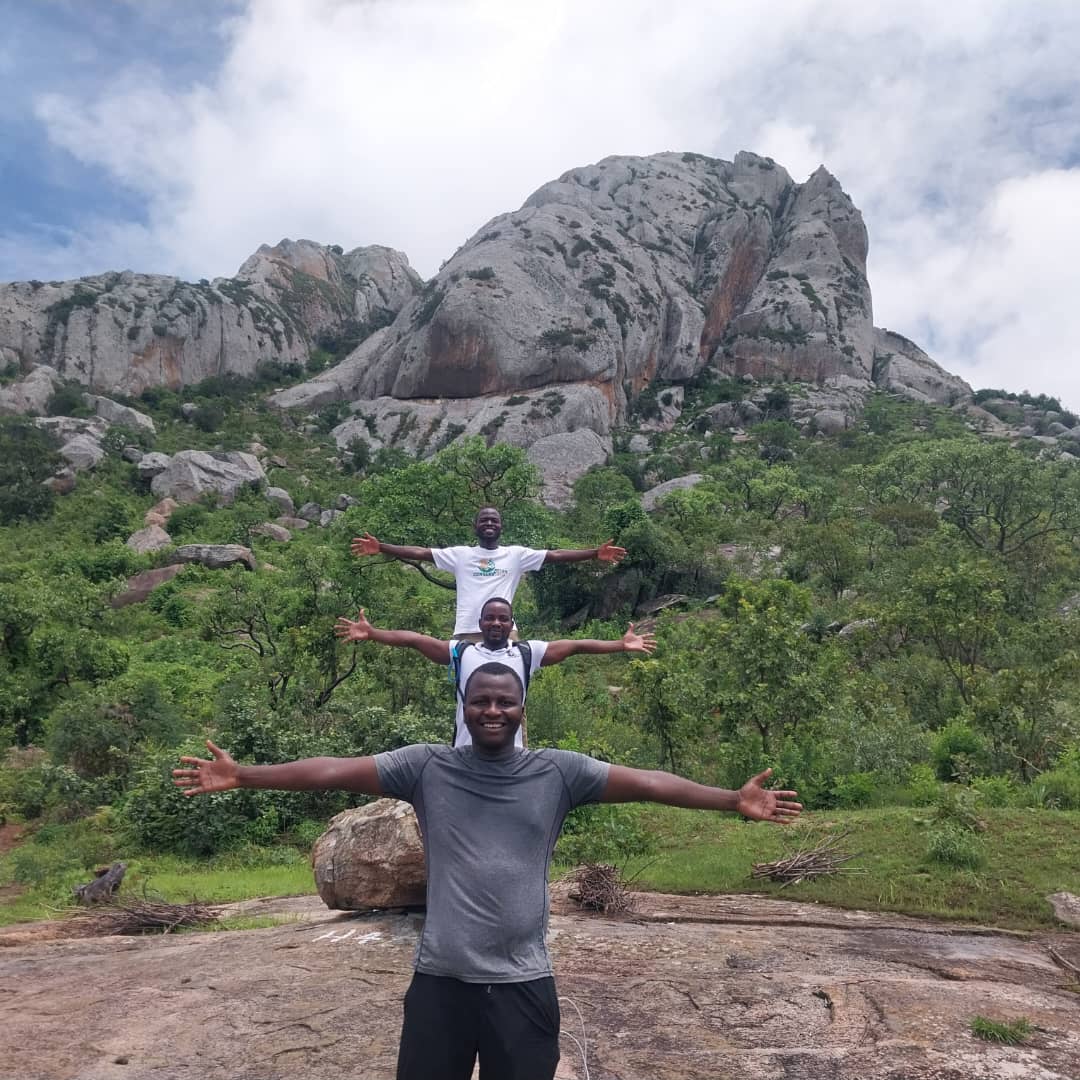
Mountains in Malawi, like Nkhoma, have been heavily deforested due to charcoal production and firewood collection. This has destroyed natural habitats, leading to the loss of native plant and animal species, reducing biodiversity, and exacerbating the

effects of climate change.

3. Unregulated Grazing

Livestock grazing without management damages vegetation compacts soil, and accelerates land degradation. Over time, this limits natural regeneration and increases the risk of desertification.


Impact on Biodiversity and Livelihoods

The degradation of mountain ecosystems threatens biodiversity, food security, and local livelihoods. The loss of tree cover reduces the availability of wild fruits and medicinal plants, affecting traditional herbal medicine and nutrition. It also disrupts local climate patterns and water flow, leading to prolonged droughts and declining agricultural yields. Additionally, degraded landscapes diminish ecotourism potential, making them less appealing to visitors.

Key Drivers:

  • Overdependence on charcoal and firewood for energy.
  • Limited alternative income sources, leading to resource depletion.
  • Unregulated livestock grazing, preventing forest regeneration.
  •  Lack of awareness and capacity for sustainable land management.

Consequences for Communities:

  •         Water shortages due to reduced retention and increased runoff.
  •          Declining soil fertility due to erosion lowers agricultural productivity.
  •         Loss of biodiversity, reducing access to wild fruits and medicinal plants.
  •          Diminished ecotourism opportunities, impacting local economies.

Proposed Restoration Strategies

Community-Led Reforestation – Engage local communities in tree planting using indigenous species to restore lost forest cover.

Sustainable Livelihoods – Introduce alternative income sources such as beekeeping, agroforestry, and eco-friendly fuel options to reduce dependence on firewood and charcoal.

Soil and Water Conservation – Implement terracing, check dams, and other techniques to reduce soil erosion and improve water retention.

Grazing Management – Establish controlled grazing zones to allow natural vegetation recovery.

Eco-Tourism Development – Protect Mountain ecosystems as a nature-based tourism destination that can create economic opportunities for surrounding communities while encouraging conservation.

Environmental Education & Awareness – Strengthen community knowledge through workshops, radio programs, and school initiatives on sustainable land management.

The Mountain Guardians Project is a community-led initiative focused on restoring Nkhoma Mountain’s ecosystem through reforestation, sustainable land management, and eco-friendly livelihoods. By engaging local communities, the project aims to combat deforestation, protect biodiversity, and enhance water conservation while promoting ecotourism and economic resilience.

Thursday, 22 June 2023

The Role of Youth in Enhancing Climate Change Adaptation


Climate change is one of the most pressing global challenges of our time, with far-reaching impacts on ecosystems, economies, and societies. In the face of this daunting reality, there is a ray of hope: the immense potential and power of the youth.

Youth in sub-Saharan Africa are a force to be reckoned with. With a combination of creativity, energy, and a burgeoning population, they possess the capacity to make a significant impact on climate change adaptation and mitigation efforts. This article will delve into the crucial role that youth can play in enhancing climate change adaptation in the region and explore the opportunities and challenges they face in realizing their potential.

The first factor that makes youth in sub-Saharan Africa uniquely positioned to tackle climate change is their creativity. Growing up in a rapidly changing world, young people are often at the forefront of innovative solutions. They bring fresh perspectives, unburdened by the constraints of conventional thinking, and are more willing to embrace alternative approaches. This creative mindset can lead to the development of inventive strategies for adapting to the impacts of climate change, such as sustainable agricultural practices, renewable energy solutions, and community-driven initiatives.

Furthermore, the energy and enthusiasm that characterize youth can be harnessed to drive climate action in sub-Saharan Africa. The sheer vitality and passion of young people can galvanize communities, inspire collective action, and mobilize resources. By engaging in awareness campaigns, advocating for policy changes, and leading grassroots initiatives, young individuals can ignite a sense of urgency and empower their peers to take ownership of climate change adaptation measures.

Another crucial aspect of youth in sub-Saharan Africa is their significant population. With approximately 60% of the region's population below the age of 25, young people represent a demographic dividend that can catalyze transformative change. By providing young individuals with access to quality education, training, and mentorship, governments, organizations, and stakeholders can unlock the potential of this demographic dividend. Equipped with knowledge, skills, and opportunities, youth can drive sustainable development and spearhead climate resilience initiatives at local, national, and regional levels.

However, realizing the full potential of youth in climate change adaptation requires overcoming several challenges. Limited access to resources, including finance, technology, and information, often hinders youth-led initiatives. Addressing these gaps and providing support systems that enable youth to develop and implement their ideas is essential. Additionally, partnerships between governments, organizations, and young people themselves are critical in fostering an enabling environment that recognizes and supports the agency of youth in climate action.

In conclusion, the youth in sub-Saharan Africa have a pivotal role to play in enhancing climate change adaptation. Their creativity, energy, and demographic dividend can be harnessed to drive transformative change and build resilience in the face of climate challenges. By investing in youth-led initiatives, providing access to resources, and fostering inclusive partnerships, we can empower the next generation to become climate leaders and secure a sustainable future for all.

Join us as we explore the inspiring stories, innovative solutions, and untapped potential of youth in sub-Saharan Africa in the realm of climate change adaptation. Together, we can shape a brighter and more resilient future. #ConservationArts #MalusoNdiChilengedwe

Tuesday, 13 June 2023

Art in the Park: Celebrating Malawi's Talent and Raising Environmental Awareness

Introduction

Art has the power to inspire, educate, and provoke change. In Malawi, a unique event called Art in the Park, organized by the Wildlife and Environmental Society of Malawi (WESM) and hosted by Four Seasons Nursery, has successfully combined artistic expression with environmental consciousness. This bi-annual gathering not only showcases the country's vibrant artistic talent but also provides an educational platform to raise awareness about pressing environmental issues. In May 2023, the event received special coverage from Maluso ndi Chilengedwe, further amplifying its impact.

Celebrating Malawi's Artistic Talent

Art in the Park serves as a vibrant platform for local artists to showcase their creativity and talent. This event brings together painters, sculptors, photographers, and craftsmen from across Malawi, providing them with an opportunity to exhibit their work in a picturesque outdoor setting. The event offers a diverse range of artistic styles and mediums, reflecting the rich cultural heritage and contemporary expressions of the country.

Visitors to Art in the Park can explore the artwork, engage with the artists, and gain insights into the stories and inspirations behind each piece. From traditional African motifs to modern interpretations of global themes, the event offers a captivating glimpse into the artistic landscape of Malawi.

An Educative Platform for Environmental Issues

Beyond celebrating art, Art in the Park serves as a catalyst for conversations on environmental issues. Recognizing the urgent need to address climate change and biodiversity loss, WESM strategically combines the beauty of art with environmental education. Through interactive exhibits, workshops, and interviews, the event creates a platform for artists, environmentalists, and the general public to engage in meaningful dialogues about sustainability and conservation.

During the event, experts provide insights into the importance of environmental protection, the impact of human activities on ecosystems, and the need for sustainable practices. By merging art and environmental education, Art in the Park fosters a greater understanding of the interconnections between creativity, nature, and the need for environmental stewardship.

Maluso ndi Chilengedwe Coverage

The recent Art in the Park event held in May 2023 gained special coverage from Maluso ndi ChilengedweTV program, an initiative by Conservation Arts that uses art and media to raise awareness on climate action among Malawian youth. The coverage captured the vibrant atmosphere of the event, showcasing the diverse artwork on display and highlighting the important messages conveyed by the artists regarding environmental issues. Through interviews with artists, event organizers, and attendees, the coverage provided valuable insights into the intersection of art and environmental awareness. Viewers were able to witness the power of art as a tool for communication and social change, further inspiring them to consider their role in environmental conservation.

Conclusion

Art in the Park, organized by WESM and hosted by Four Seasons Nursery, is a remarkable event that celebrates the artistic talent of Malawi while promoting environmental awareness. By providing a platform for artists to exhibit their work and engage with the public, the event not only enriches the cultural landscape of the country but also ignites conversations about environmental issues. The recent coverage by Maluso ndi Chilengedwe further amplified the event's impact, reaching a wider audience and inspiring individuals to embrace their roles as stewards of the environment.

Art in the Park, May 2023


Monday, 12 June 2023

Maluso ndi Chilengedwe: Harnessing Art and Media to Empower Malawi's Youth for Climate Action


Introduction

In the face of global climate change, the role of youth in driving sustainable actions and raising awareness is crucial. Malawi, with its sizable youth population, has recognized this potential and embraced an innovative initiative called Maluso ndi Chilengedwe, which translates to "Arts and the Environment." Spearheaded by Conservation Arts, this initiative leverages the power of art and media to reach over 20,000 Malawian youths, empowering them to become climate champions and actively participate in climate action.

Understanding Malawi's Youth Demographic

Malawi, like many African nations, has a predominantly youthful population. With more than 60% of the population under the age of 25, the country possesses a significant demographic dividend. Recognizing this, Maluso ndi Chilengedwe aims to tap into the energy, creativity, and passion of the youth to tackle the urgent issue of climate change.

The Role of Youths in Climate Action

Youths play a vital role in climate action for several reasons. Firstly, they have a long-term stake in the planet's future, making them more invested in creating a sustainable environment. Secondly, young people often possess innovative ideas, fresh perspectives, and the ability to challenge the status quo, which is essential for driving transformative change. Finally, youths have proven to be powerful advocates, capable of mobilizing communities and demanding action from policymakers.

Utilizing Art as a Communication Channel

Art has always been a powerful medium for communication and storytelling. It can transcend language barriers, engage emotions, and inspire action. Conservation Arts recognizes this potential and employs various art forms, such as visual arts, music, and poetry, to convey important messages about climate change and the environment.

Through workshops, training sessions, and interactive events, Maluso ndi Chilengedwe encourages young people to express their thoughts, concerns, and aspirations through artistic means. By using their creativity, participants develop a deeper understanding of environmental challenges and explore innovative solutions.

The Impact of TV and Radio Programs

Television and radio programs play a crucial role in reaching a wider audience, especially in areas with limited internet access. Maluso ndi Chilengedwe utilizes these traditional media platforms to extend its reach beyond the workshops and events. By partnering with local broadcasters (@Timveni), the initiative broadcast educational and informative content on climate change, sustainable practices, and the role of youths in tackling environmental issues.

These programs provide a platform for dialogue, where experts, activists, and young climate champions share their experiences, knowledge, and success stories. By highlighting the efforts and achievements of young people in addressing climate change, these broadcasts inspire others to get involved and take action.

Maluso ndi Chilengedwe fosters a sense of empowerment among the youth, encouraging them to become leaders and change agents in their communities. By equipping young people with knowledge, skills, and a sense of purpose, this initiative is creating a generation of climate champions who are actively driving positive change.

Conclusion

Maluso ndi Chilengedwe exemplifies the power of art and media in engaging and empowering youths to take action against climate change. By harnessing the creativity, passion, and energy of Malawi's youth population, this initiative.

To learn more and explore the possibility of partnership, send an email to info@conservationartsmw.org 

Maluso ndi Chilengedwe


Sunday, 17 January 2021

'Mundikonde’ Forestry Theme Song by Piksy


The 2020-21 National Forestry Season was officially launched on 16th December, 2020 in Nkhatabay. Among the key issues the government pledged to plant 60 million trees to be achieved through working with communities across Malawi.

The National Forestry Season is a period set aside by government to build responsible citizenry that cares for forests and trees as a way of sustaining natural resources services that we enjoy especially for an agriculture-based economy like Malawi.


It was interesting to see that the ministry engaged art as a way of raising awareness. Art is an easier and effective way of engaging communities and also ensuring that messages are internalized to effect and sustain behavior change.


Piksy composed and performed a song titled ‘Mundikonde’ as a theme song for the National Forestry Season. The song with cool local feel basically talks about how nice it was in the past before most forests were degraded, the song describes how deforestation has affected rivers, availability of wild foods, habitat for wildlife and how deforestation continues to affect soil fertility and rainfall patterns. The song pleads that to show love to mother Malawi we should take care of the trees and forests that support livelihoods.


Blending art with environmental education is an effective way of engaging the youth and rural communities who feel side-lined when discussions about environmental sustainability sound very scientific and disconnected from people’s reality.


Tuesday, 15 September 2020

'Santy' initiates Girls' Peer Support Club to Curb COVID Pregnancies


COVID-19 has affected many facets of life and lately there have been reports concerning the rise of teenage pregnancies. Though reasons could vary from place to place depending on the different socio-cultural settings, many believe that the closure of schools as a measure of managing the spread of COVID-19 has significantly contributed to the rising numbers of teenage pregnancies. In Dedza, the district gender officer confirmed that ‘all men who impregnated and married young girls below the age of 18 during the COVID-19 pandemic period will be arrested.’

In Mangochi district where high numbers of teenage pregnancies have also been reported, a female artist ‘Santy’ initiated a girl’s peer support club to assist in fighting against the problem. The club which started as a casual conversation among girls has grown into a structured club with specific themes that are covered following the ‘GO GIRLS’ curriculum. 

Santy (Asante Asiatu Emment) described the club as effective in keeping girls engaged with relevant but interesting topics about sexual reproductive health, COVID-prevention, staying in school among several other topics. The club promotes the use of poems, games, stories and songs in describing experiences, challenges and solutions.


Santy is an alumnus of the Malawi Music Project, an annual event organized by Music Crossroads Malawi and Peace Corps Malawi which encourages the use of art to tackle social issues, learn more here Malawi Music Project. 


Santy also did a COVID-19 awareness song titled Tipewe COVID-19 
Some of her songs can be found here Santy Music

Art + ARCTIVISM  against Repression during the Covid-19 Crisis


Drawing the picture - COVID impacts

Primary school children in rural parts of Malawi normally get free meals at school; but, when the coronavirus pandemic forced schools to close in March 2020, families were left with the added cost burden for meals. The young learners receive hot porridge made from maize or soya bean flour mixed with salt and sugar. The aim is to increase enrollment for children who might fail to attend classes because of hunger in their families, and to meet the nutrition needs of the students.

Mawofozi, a drawing artist attempted to tell the story in this piece of art. The drawing describes both the frustration associated with closing of schools as well as the hope that we can keep our spoons and plates as schools are ready to reopen.


@Conservation Arts 2020; Art + Activism Against Repression During the Covid-19 Crisis, 

Open Society Foundations grant, Centre for Applied Human Rights - University of York (UK) 


Tuesday, 18 August 2020

#MaskUp meets #Mask4AllMalawi (Mandatory Mask wearing gazetted as law)

 #MaskUp meets #Mask4AllMalawi 


By Harold Kapindu


Covid 19 harshtags have flooded both the international and local social media. The most outstanding, or rather the ones that have attracted my attention are #MaskUp and #Mask4AllMalawi.


With the surge in Covid 19 cases, the new campaign under the harshtag #MaskUp is picking up momentum on social media with local celebrities and public figures joining the cause in order to promote consistent and proper wearing of face masks in public spaces. 

Founded and spearheaded by musician Piksy and arts promoter, social behavior change and media expert Edward Kankhomba, the movement so far has a number of musicians, fashion designers, poets and television personalities. 

Some notable names seen in a large e-poster that is updated on daily basis include Daniel Thom also known as  Super DT, a TV host/presenter at Mibawa TV, musician Vube and Youth Health activist Blesssings Banda. 

To join the movement, one simply has to wear a mask, take a picture and post it on social media with the MaskUp harshtag. The team then collects the pictures which are updated daily on the campaign's e-poster.

Also, advocating for the same cause, its another campaign dubbed Masks4AllMalawi aiming at producing and distributing made in Malawi community masks to the total population of 19 million.


The campaign has so far manufactured millions of Made-in-Malawi community masks and has reached 

a production rate of greater than 420,000 per day. 

As part of the #Masks4AllMalawi campaign’s aim to achieve universal mask coverage, the campaign has also provided 31,500 community masks to the Malawi Prison Service, enough for all prisoners and guards.

An analysis of the potential impact of Universal Mask Usage as part of a comprehensive overall solution, reveals some potentially startling figures.

For instance, in Hong Kong, where Voluntary Universal Mask Usage (VUMU) appears to be in operation, there have been 15 reported cases per 100, 000 population and 4 deaths, despite being bordered by China and having a densely populated population of 7.5 million. 

This compares to 272 reported cases per 100, 000 population in the UK where VUMU is not enforced.

Corona virus is real and wearing of masks prevent transmission from person to person.

Log in on your social media platforms and type #MaskUp #Masks4AllMalawi #StayHome #StaySafe #WashHands #Sanitize #SocialDistance

The debate on re-opening schools amidst COVID-19

Henry Kachaje wrote


I know others feel we shouldn't open schools yet. Here are some questions to think about:


1) Since April, while the kids are not in school, how are they being protected? Have we locked them up in our houses? Is there strict social distancing being practiced in our communities? 


(Please, don't think about ana akumpanda ku Namiwawa, Nyambadwe, Area 10, 43, (well to do residential areas) think about ana aku Mbayani, Chilomoni, Mtandire, Nchesi, (low income and crowded areas). Are these kids practicing Social distancing in these locations?


2) If we have not locked them up while they are not in school, how have they survived this far? What is it that they are doing that is keeping them safe?


3) What protective measures can we employ in the schools? 


To be honest, very little can effectively be done especially in crowded government schools. But we can continue with regular washing of hands, etc.


Let us move on with life. Let's open schools. We are creating far worse challenges by keeping schools closed indefinitely. 


Ma vaccine anayimatu, teenage pregnancies are on the rise, early child marriages, alcohol abuse, HIV aids spread... Unfortunately, we are not tracking these challenges but just focusing on the new disease,  Covid-19.


Then there are complex socioeconomic issues: Teachers starving, failing to pay rentals, private school owners failing to pay teachers, failing to service bank loans, businesses that service the education sector collapsying, etc.


Covid-19 is a complex problem but let us learn how to live with the virus. It has come to stay unfortunately, and life must go on.

Ndakatulo (Ndichani?)


Poem (What is this?)


Monday, 10 August 2020

A covid-19 pandemic "coincides?" with a teen pregnancy-demic.


The number of confirmed COVID-19 cases since schools closed stands at 3 665 as of Sunday (at 26.7.20) and in two districts alone (Mulanje and Mangochi) there are nearly 15, 000 teenage pregnancies that have been accounted for in the last few months. In Mangochi alone, at least 40 young girls are falling pregnant every day. 

Primary school learners under Senior Chief Dambe in Mchinji have petitioned traditional leaders demanding immediate action following rising cases of child marriages and teenage pregnancies in the area.

Through the petition presented to Senior Chief Dambe, the learners among other things are demanding quick review of by-laws and formulation of a special task force to deal with issues of child marriages and teenage pregnancies.

Meanwhile, the latest survey conducted early last month by education authorities in 13 primary school zones in the district revealed that about 80 girls became pregnant, while about 130 young boys and girls entered into marriage since the closure of schools in March this year due to Covid-19.


COVID-19 Prevention measures should seriously consider protecting the youth, Let's protect our young ones before they  become a demographic burden. They are a majority by the way.

Sunday, 19 July 2020

Who is taking care of ARTISTS????

While footballers are being taken care of, whats there for artists that earn a living mostly through live shows?

COVID Stories Gallery

In the past four weeks COVID-19 infections and deaths have increased in Malawi. This has led to enforcement of preventive measures such as mandatory use of face masks, increased emphasis on minimizing movement and reducing carrying capacity in public transport vehicles. The media has been flooded with COVID stories, opinions, suggestions and questions 
Should we open Schools?
Are these COVID deaths?

No escaping


Monday, 6 July 2020

The Social Cost for Managing COVID-19

Analysing the COVID-19 crisis in developing countries like Malawi, it is apparent that managing the spread of the pandemic comes at a cost. This article aims at highlighting some of the social costs that as a society we are paying in order to manage COVID-19. There are so many social costs that we are paying as individuals and communities. This article will not highlight all the issues; rather it intends to bring awareness on some of the issues that may be overlooked due to the overwhelming nature of corona virus disease.

Psychosocial Trauma for Health Workers

Along with its high infectivity and fatality rates, the 2019 Corona Virus Disease (COVID-19) has

caused universal psychosocial impact by causing mass hysteria, economic burden and financial losses. Of specific interest in Malawi are the Health care workers. In addition to minimal wages, lack of equipment and inadequate training, health workers risk their lives every day taking care of infected patients, witnessing higher rates of death and experiencing breakdowns of protocol and support. These acute stresses could lead to mental health issues, yet therapeutic support is also not sufficient. We hope that our government will recognize these sacrifices and put in place measures that will support the mental wellbeing of health workers.

Blame Game between Urban and Rural Settlers

The origin and the spread pattern of COVID-19 in Malawi have the background related to foreign travel usually by the population in urban communities. This has created a notion where by rural settlers shifting the blame to the urban community. One interviewee bluntly said ‘the people that travel in and out of the country are responsible for the spread of COVID-19 in the country’. This line of thinking has seen some communities refusing to welcome their relatives from Republic of South Africa due to the fears that there are more COVID-19 cases where they are coming from. This comes barely weeks after 400 returnees escaped the quarantine centre creating fears of an outbreak within the urban community. Some of the returnees complained that the stadium (quarantine centre) had no water, no toilets and the government was not providing them with food https://www.nyasatimes.com/malawi-at-risk-400-returnees-escape-from-covid-19-test-centre-in-blantyre/

Now that the campaign period is over, new government has been sworn in, hopes are high that the new government will prioritize public safety and welfare. Hopes are high that COVID-19 management will be more effective.

Increased Cases of Teenage Pregnancies

Managing the spread of COVID-19 in Malawi comes at a high social cost especially for adolescent girls. Schools are still closed since 23rd March, 2020. This new normal has definitely added the burden on parents. For most parents, sending kids to school is one way of making sure that their children are occupied with productive learning tasks. Having schools closed means that children stay at home most of the times, if they are not home parents get more worried.

As the COVID-19 pandemic rages on, the number of women unable to access family planning, facing unintended pregnancies, gender-based violence and other harmful practices could skyrocket by millions of cases in the months ahead https://malawi.unfpa.org/en/news/new-unfpa-projections-predict-calamitous-impact-womens-health-covid-19-pandemic-continues-12

COVID-19 will disrupt efforts to end child marriage. Adolescence is a time of transitions that foster both challenges and opportunities. Indeed, choices made during adolescence not only have immediate consequences but also greatly influence the economic opportunities, health outcomes, and skill sets attained later in life, and yet it is the same period when social norms create pathways largely defined by gender. COVID-19 is creating loopholes for high rates of teenage pregnancies.


Tuesday, 30 June 2020

COVID-19 Overshadows Environmental Arts


By Harold Kapindu

The Swedish teenage environmentalist, Greta Thurnberg has become a global icon, dominating news headlines as she rubs shoulders with global leaders.

Greta has been organizing climate change demonstrations with a plea to decision makers to listen to science.

With the Covid 19 lockdowns and preventive measures in place, Greta as well as other environmentalists have greatly been affected in as far as reaching out to the common individual is concerned.

Although, some environmentalists have taken environmental conservation campaigns to online platforms, it has been equally tough in Africa, Malawi to be specific, where internet penetration is very low.

One of the conservation organizations, Conservation Arts, a brainchild of Conservation Music global has released a Corona virus poem by Zinja and Ed.

Released on Friday, 19th June, "What is this?" is a Corona virus awareness poem done in both Chichewa and English.

The audio was produced by D-Max while the video was shot and directed by Cricky Justice of Dazzle Media.

"COVID-19 is a mystery to many of us. We have more questions than answers. Conservation Arts tries to bring to light some of these troubling questions about COVID. What is this?," Zinja commented.


Recently, Movement for Environmental Action in partnership with Lilongwe Wildlife Trust on 5th June, 2020 joined the rest of the world in commemorating Environmental Day.

The two, also partnered with Conservation Arts Malawi and Association of Environmental Journalists on commemoration activities. 

The activities started with clearing of plastics at Lilongwe Wildlife Center along Lingadzi river and a live stream Biodiversity discussion.

"Our organization saw it fit to organize an activity that was both fun and positively impact the environment," Kelicia Chingeni, Movement for Environmental Action media and advocacy committee member said, adding that all Covid 19 preventive measures during the Lingadzi river up were observed.

"The Wilderness trails along the lingadzi river at Lilongwe Wildlife centre have so much garbage in particular plastic. Plastic is dangerous to both aquatic life and human life. 

"The event was a success as we had more people show up than we had planned, as seen from our social media pages, a  lot of Malawians are now aware of the importance of protecting the environment.

"Several environmental activists and organizations came together and exchanged notes on how best we can protect the environment and reach out to the masses so that they too work towards protecting the environment," Chingeni explained.

The theme for this year was investing in biodiversity: key to sustainable livelihoods. 

Some of the artists who participated in the Lingadzi river clean up included musician Vube, Zinja and photographer/martial artist Cricky Justice.

"Chindekha" hit maker, Vube called upon creatives to play a role in environmental conservation.

"Its more than spreading the messages through music. We should start participating in such activities," he said.

Conservation Arts Malawi further joined the world
as Earth Rise, a global digital mobilization that drives
actions big and small, gives diverse voices a platform and
demands bold action for people and the planet, went digital in commemorating Earth Day.

Conservation Arts released a song by Clifford Mkanthama discussing land restoration, a poem by Binge talking about the impacts of climate change and what we all can do, a poem by Zinja talking about how water is life.

Earth Day is an annual event celebrated around the world on April 22 to demonstrate support for environmental protection. First celebrated in 1970, it now includes events coordinated globally by the Earth Day Network in more than 193 countries.

Movement for Environmental Action organization advocates for taking greener steps each day in every thing to protect the environment while Conservation Arts is an organization which uses artistry to address environmental challenges.

Saturday, 20 June 2020

Cricky hopes for the best after COVID-19


"Put passion first before money. If you have that hunger, you are going to overcome," advises the seemingly hungry Cricky.

Besides his personal life as a martial artist, Cricky Justice is one the country's most talented videographers who has worked with corporate companies and organizations such as Glam and Glory Cosmetics, Conservation Music Malawi and big artists such as Phyzix, Vube, Prince Martin.

He has covered big events such as Lake of Stars, Livingstonia Beach Festival and Its Only Entertainment's (IOE) Ghetto Festivals.

Cricky owns Dazzle Media which was previously operating from a small studio in area 49, Lilongwe.

The studio's small space made it a bit problematic for Cricky to operate freely, let alone attract groups such as music choirs and large families for a photoshoot either on a blue screen inside or outside the studio.

Earlier this year, Cricky moved in into a big studio in area 25 A where business started picking up. Then, the harsh reality struck following the confirmation of Covid 19 cases in Malawi.

"Despite the current pandemic, one of the good things that have happened is moving from a small to a bigger operating space. We had high expectations and we were hoping to reach a certain target.

"We were supposed to have a grand launch but up until now we still haven't formally launched our studios. We are just being cautious and taking precautions," Cricky says.

Fear and uncertainty grips the nation as the Malawi government had also contemplated a possible lockdown which was later challenged in court and blocked with an injunction obtained by the Human Rights Defenders Coalition, HRDC.

HRDC argued that a lockdown would infringe people's rights because most Malawians work in the informal sector and survive on hand to mouth. Worse still, the Malawi government was unclear on how the poor would be cushioned.

For instance, elsewhere in the world, developed nations gave out cash and food stuffs to the underprivileged during lockdowns, something developing nations like Malawi couldn't manage to do.

Though the lockdown was blocked, people still live in fear and business isn't as usual.

Despite live events such as wedding ceremonies, festivals and shows slowly resuming, the initial cancellation has had a far reaching negative effect on creatives, specifically photographers like Cricky who  hustle from such events.


"The Covid 19 has greatly affected my hustle. Business has been bad because we are not getting any bookings for shows. The rentals are quite expensive, but I can't do otherwise because I have bigger dreams and I believe, this too, shall come to pass," Cricky explains.

He adds, "Corona virus has happened. We have to adapt and move on. Our economy has to get back on track."

His recent work is 'What is this?' video which talks about the mystery of COVID-19. composed and performed by Zinja and Ed. Follow the link below


https://youtu.be/1gZ9YYgKiIw